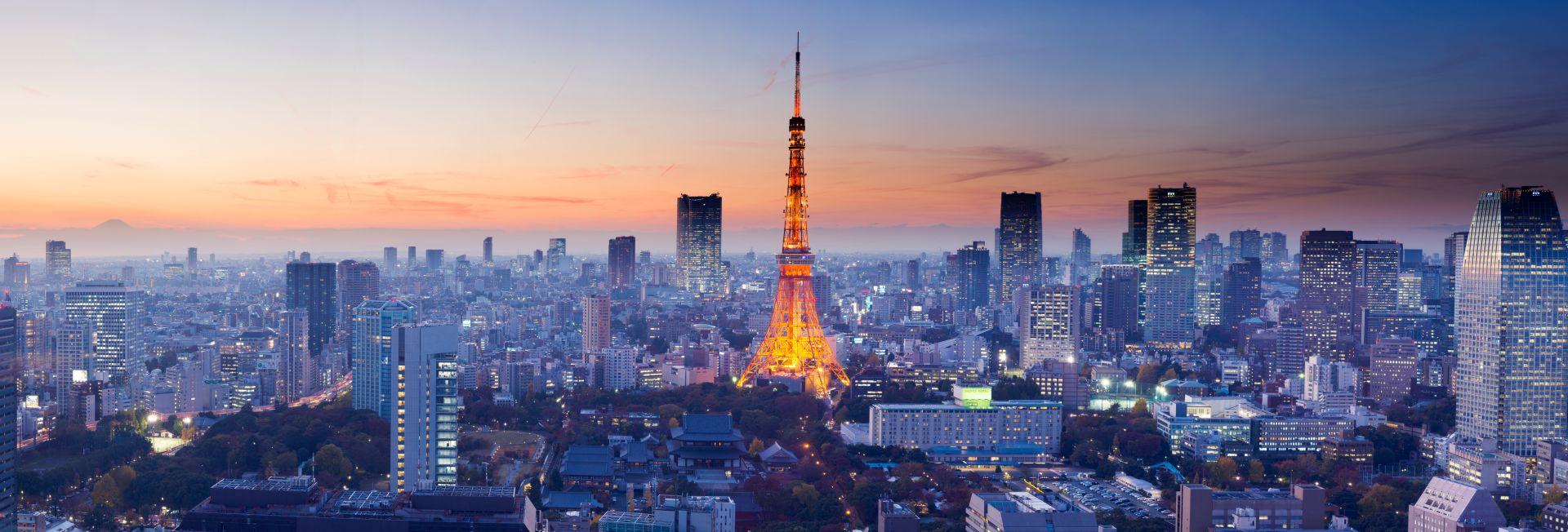
Japan is an archipelago nation located in East Asia. The nation has the world’s fourth-largest economy and was the first country in Asia to achieve developed country status. Modern Japan is often characterised by its technological advancements and conveniences such as high-speed bullet trains, diverse assortments of vending machines (there are 5 million of them across the country!) and robotics. The capital city of Tokyo is the centre of Japanese culture and the economy and the main centre for face-to-face market research in Japan, followed by Osaka.
Japan’s economy is heavily dominated by the services sector, contributing towards 71% of Japan’s nominal GDP and employing 73% of the nation’s workforce. Finance and insurance, retail and wholesale trade, and healthcare (including eldercare services) are all heavy contributors. A further 27% consists of industry.
Japan is a world leader in the development of robotics such as humanoids that assist with domestic challenges and advanced technology for factory automation. Prominent companies include Fanuc, Yaskawa Electric, Mitsubishi Electric and Kawasaki Heavy Industries. Japan has a long history as one of the world’s largest automobile manufacturers and is the third largest automotive producer in the world. Manufacturers such as Toyota, Honda, and Nissan call Japan home.
There are a number of important points to bear in mind when planning market research in Japan:
- Japanese respondents tend to be very deferential towards older people and those in more senior positions, which makes it more challenging to run focus groups in Japan than elsewhere, particularly for B2B research
- Many Japanese people work very long hours during the week, so it is a good idea to include some weekend time slots in your research plan
- Typically, it also takes longer to organise research in Japan than in other countries to it is a good idea to build an extra week or so into your standard research timeline.