

CAPI market research agency
CAPI (Computer-Assisted Personal Interviewing) brings researchers face to face with people in relevant locations. FieldworkHub recruits and interviews consumers and specialist audiences through street intercepts and planned sessions in the UK and internationally, including product tests that benefit from hands-on feedback.
20+ CAPI projects completed
CAPI research run in 5+ countries
5000+ CAPI interviews completed


Why CAPI?
Why should you conduct CAPI market research?
CAPI (Computer-Assisted Personal Interviewing) is a quantitative research method in which an interviewer asks questions face to face and records responses on a digital device. The questionnaire can include routing and branching so respondents only see the questions relevant to them, and answers are captured as the interview takes place.
Face-to-face surveys can be particularly useful when participants need to see or try a physical product before giving feedback. Respondents might taste a drink, smell a fragrance, handle a prototype or review visual material. The interviewer can check that the task is understood and record reactions consistently.
Many CAPI projects use street intercepts or recruitment at other busy locations. Interviews may take place on the spot or in a nearby research venue if product testing needs more space or equipment. Because respondents are often interrupted during their day, intercept questionnaires generally work best when kept relatively short—typically around 10 to 15 minutes.
FieldworkHub supports CAPI studies from participant recruitment and screening through to face-to-face fieldwork. Our projects have included street intercepts, product and taste tests, shopper and visitor research, and interviews with business owners. We help clients plan suitable locations, coordinate quotas and manage the practical details of data collection.
CAPI clients
Selected CAPI market research clients
FieldworkHub has arranged CAPI research for some of the world’s leading brands...


Types of CAPI
What are the different types of CAPI?
CAPI can be used for several research objectives. These six common applications show how face-to-face quantitative interviewing can be adapted to different audiences and settings.
CAPI consumer behaviour studies
Face-to-face interviews explore how consumers choose, buy and use products or services. Structured questions about purchasing habits and preferences help brands understand what matters to different customer groups.
CAPI product testing research
Participants try or examine products before answering structured questions about their reactions. Researchers can assess packaging, fragrance, taste or usability, capturing feedback while the experience is fresh.
CAPI customer satisfaction surveys
Interviewers ask customers about their experiences with a business, product or service, often near the point of use. Responses reveal satisfaction levels, common frustrations and opportunities for improvement.
CAPI brand awareness studies
Face-to-face surveys measure whether people recognise a brand and what they associate with it. Interviewers can show logos or other materials to assess awareness, perceptions and comparisons with competitors.
CAPI public opinion polls
Interviewers collect views on local, social or public policy issues from people in carefully selected locations. With a suitable sampling plan, researchers can compare attitudes across different audience groups.
CAPI visitor experience studies
Visitors are interviewed at an event, shop, venue or attraction, or shortly after leaving. Their responses help researchers assess satisfaction, memorable impressions and aspects of the visit that need improvement.
Case studies
Case studies of CAPI research
FieldworkHub manages CAPI research in the UK, Europe and other international markets. We have completed more than 20 CAPI projects, including street intercepts, product testing and face-to-face interviews with consumers and specialist audiences. Here is a selection of studies where careful recruitment and well-organised fieldwork helped clients gather reliable quantitative feedback.
CAPI, focus groups: mobile top-up retailers
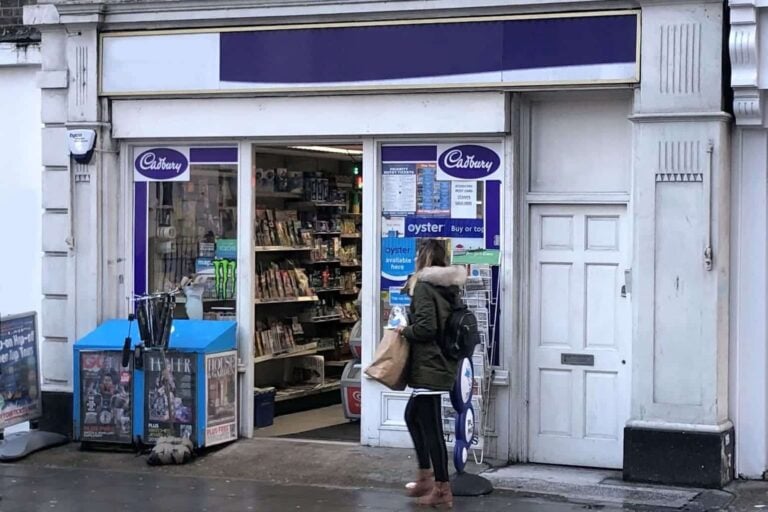
A management consultancy wanted to talk to shopkeepers in London who sell SIMs and top-ups for a mobile virtual network operator. We conducted face-to-face interviews with owners and managers and arranged two focus groups so our client could obtain views on the brand’s positioning relative to other mobile operators.

CAPI: recycling, Saudi Arabia
FieldworkHub supported a research project to encourage the recycling of plastic packaging by consumers in Saudi Araba by conducting face-to-face quantitative interviews (CAPI) with 400 adults outside supermarkets and shopping malls in major Saudi Arabian cites (Riyadh, Jeddah, Makkah, Medina and Dammam) over a period of five days.

F2F quantitative research: beer drinkers, UK
A major beer brand wanted to obtain feedback on a prototype for a new draught beer dispenser, to find out if the design made beer drinkers more likely to select the client’s brand compared to competitor brands. We helped set up a mock bar in a Central London research facility and recruited 300 respondents.

Face-to-face interviews: Barking station, London
Transport for London wanted to improve the environment outside Barking station. They wanted to explore perceptions of safety and test the impact of interventions on people who use the space. We completed 250 face-to-face CAPI interviews outside the station in two research waves.

Street intercepts: shampoo & conditioner tests
A well-known brand of shampoo and conditioner for women wanted to obtain quantitative feedback on some new product fragrances that it was planning to launch in the UK. FieldworkHub was asked to recruit 200 women via street intercepts in both London and Birmingham.

Taste testing: coffee syrups, London
A major syrup brand wanted to assess whether consumers, bartenders and baristas are more likely to select the client’s brand in preference to competitor brands. FieldworkHub recruited 100 consumers, 20 bartenders and 20 baristas for a coffee and cocktail tasting test in London.
Client testimonials
Testimonials from CAPI clients
Here’s what some of our previous CAPI clients say about us.
The team at FieldworkHub have been an absolute pleasure to work with. We threw in a mid-fieldwork curveball requesting additional sample and the team accepted the request with no issues in delivering. The quality of the sample was high and I have no hesitation in recommending FieldworkHub and look forward to working with them again.
Mandeep
Senior Account Director
Global Market Research Agency
UK
Thanks for all of FieldworkHub’s help and responsiveness on this project, making it a smooth process.
Kirsten
Senior Account Director
Marketing Agency
UK
Got questions?
Frequently Asked Questions
As consultants in the research space, we’ve got the answers to your questions about CAPI research. And if there’s anything left unanswered, drop us an email or give the team a call. We’d be happy to help.
1
What are the benefits of CAPI compared to a standard online survey?
CAPI is particularly useful when research needs to take place in a specific location, such as an exhibition, tourist attraction or retail store. It also allows participants to see, handle, taste or smell products before giving feedback, making it well suited to product testing and research conducted in controlled environments.
Face-to-face interviewing can also help researchers reach people who may be under-represented in online survey panels, including older respondents, people with limited digital literacy and those with poor internet access.
2
How long does a CAPI study take to complete?
A typical CAPI study takes approximately two to four weeks, although the timeline depends on the number of interviews, research locations and complexity of the recruitment requirements.
One of the main factors is the time needed to recruit and schedule interviewers. The number of shifts required to achieve the target sample also affects the overall duration, particularly for street-intercept studies where response rates can vary by location and time of day.
3
How much does CAPI research cost?
CAPI research generally costs more per completed interview than a self-completed online survey because it requires interviewers to collect responses face to face.
Unlike online surveys, CAPI fieldwork is usually charged according to the number of hours or shifts worked by interviewers, rather than the number of completed responses. This is because factors outside the research team's control, such as weather conditions, footfall and respondents' willingness to participate, can affect the number of interviews achieved.
We can provide a tailored quotation based on the sample size, interview length, research locations and fieldwork requirements.
4
How long should a CAPI street-intercept interview last?
For street intercepts, keeping interviews to a maximum of 10 to 15 minutes is generally advisable because respondents are taking time out of their day. Longer interviews may be possible when participants have been recruited in advance or are attending a dedicated research venue.
Planning a CAPI or street-intercept research project?
Talk to our fieldwork specialists about face-to-face interviews, product testing and participant recruitment in the UK and international markets.