The Swiss population is characterised by a high standard of living and is one of the wealthiest nations in the world on a GDP per capita basis. Located at the intersection between Central, Western, and Southern Europe, Switzerland is a multicultural and multilingual country with four official languages: German, French, Italian, and Romansh.
Although Switzerland is not a member of the European Union (EU), the country has access to the EU single market through bilateral agreements and also employs certain EU policies and takes part in EU programmes (such as the Digital Europe Programme, Erasmus+, and EU4Health).
When asked what Switzerland is famous for, most people would probably mention watches, chocolate and banking. While this is a bit of a cliché, precision manufacturing, food processing and financial services are indeed some of the important sectors in the Swiss economy, along with life sciences, information technology, chemicals and, of course, tourism.
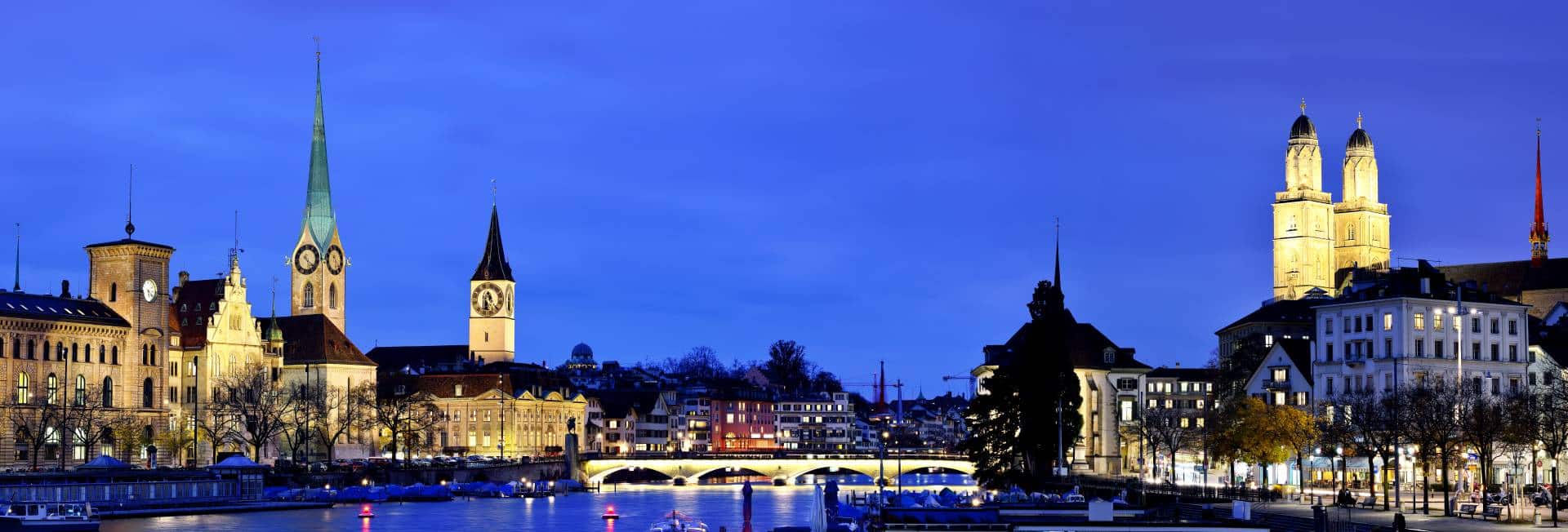
As in most advanced economies, most of the GDP is generated by services industries. Swiss banking is internationally recognised for its confidentiality and stability and features strong investor protection under the Swiss Financial Services Act (FinSA). Zurich is the country’s financial centre, and an excellent place for financial services market research to take place. However, manufacturing still accounts for 25% of GDP.