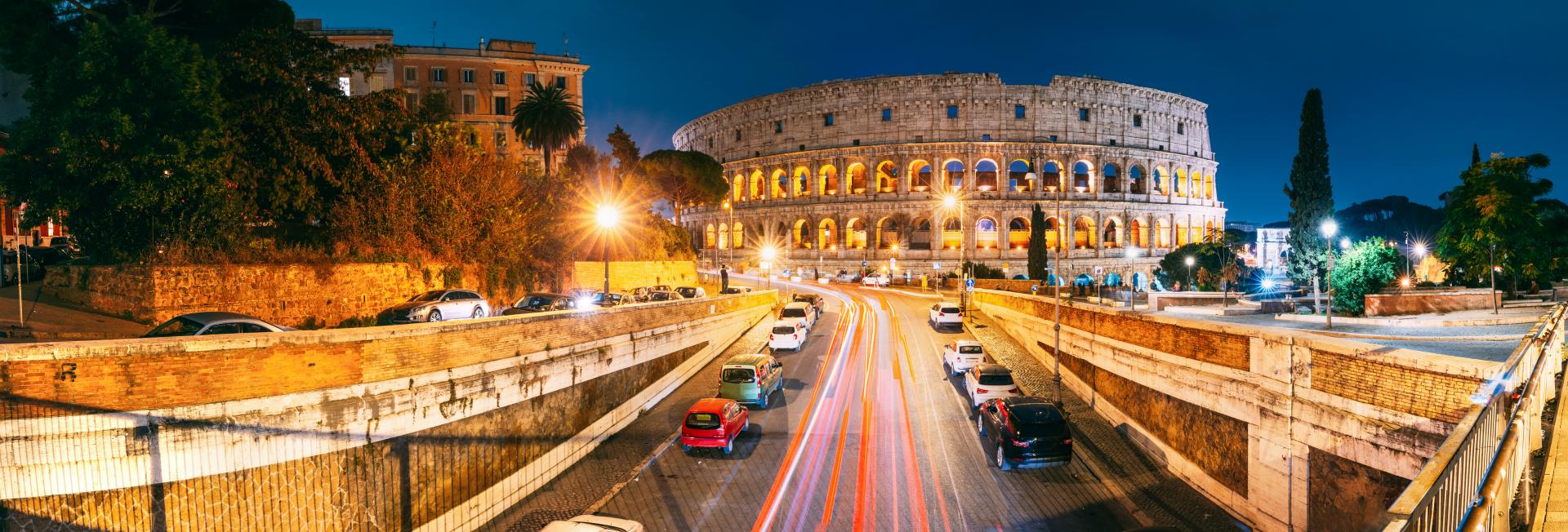
Italy is the fourth largest country in Western Europe by landmass and the third largest economy within the European Union. Italy also contains tw0 landlocked microstates: Vatican City, the world’s smallest country, and San Marino, the fifth smallest country. Italy has more UNESCO World Heritage Sites than any other country at 61, including locations such as the Amalfi Coast, Verona, Venice and places of historical importance such as the Necropolis of Pantalica. The main centres for face-to-face market research in Italy are Milan and Rome, followed by Naples.
Italian culture has significant influence over world cuisine, art, and music. The piano, violin and cello were invented in Italy, and many classical musical terms are derived from Italian.
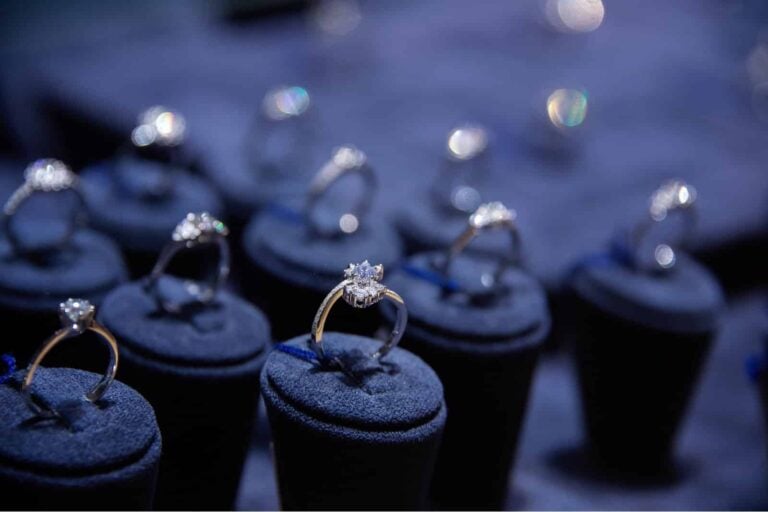
The country’s small and medium-sized companies form the largest proportion of Italy’s industrial output. Italian industries are grouped into local quarters, such as the production of ceramic tiles in Sassuolo, manufacturing of textiles in Prato and of jewellery making in Arezzo. Italy is renowned for its high standard in design and manufacturing of luxury goods. Fashion brands with the ‘made in Italy’ label include Prada, Valentino, Gucci and Fendi, while luxury car makers Lamborghini, Maserati, Ferrari and Ducati are highly sought after.
Although 23% of the Italian economy is comprised of various industries, the country relies heavily on imports of raw materials such as automotive parts. Italy is a huge centre for tourists from around the globe, and a large proportion of the services industry caters to tourism, transport, information and communication services. Finance and insurance (the world’s first modern bank was established in Italy over 400 years ago) and real estate are also huge contributors.