Pharmaceuticals
AI is transforming pharma, with predictive modelling capable of faster, more precise diagnostics and assisting with the discovery of new drugs. High R&D costs are now being mitigated through automation.


The global healthcare market is estimated to be worth around $11 trillion in 2024 and is expenditure is growing at around 6% a year. These global averages conceal wide disparities in levels of healthcare spending. In the USA, healthcare spending accounts for over 17% of GDP (almost $15000 per capita per annum) while in Pakistan and Bangladesh it is less than 3% of GDP (less than $100 per capita per annum).
Healthcare expenditure accounts for an increasing proportion of GDP in most countries due to the increasing proportion of elderly people with complex, long-term health needs, the development of new, but expensive, medical technologies and pharmaceuticals to treat particular conditions, and a general increase in the demand for services.
The UK’s National Health Service (known as the NHS) is the world’s largest integrated health system, treating around 1.7 million people every day. While still the UK’s main healthcare provider, staff shortages and long NHS waiting times are contributing to annual growth of around 6% in private healthcare spending, with the private healthcare sector estimated to be worth between £12 and 14 billion in 2023.
Healthcare market research is one of FieldworkHub’s focus areas, and we have a strong track record of recruiting patients, healthcare professionals (HCPs) and healthcare managers to take part in depth interviews, focus groups and surveys.


Focus groups bring together a small number of participants for a moderated discussion, either in person or online. They are particularly useful for exploring consumer attitudes, evaluating new concepts and understanding how people react to and build on one another’s ideas.

In-depth interviews (IDIs) involve a one-to-one conversation between a researcher and a participant. They are well suited to exploring complex decisions, personal experiences and sensitive subjects, particularly in B2B research or when specialist knowledge is required.

Ethnographic research involves observing people in their everyday environments, such as their homes, workplaces or shops. It is useful when researchers want to understand how products and services are used in practice, rather than relying solely on what participants say.

Online bulletin boards (OBBs) allow participants to complete research tasks and respond to questions over several days, at times that suit them. They are useful for diary-style research, gathering detailed reflections and exploring topics that benefit from considered rather than immediate responses.

Market research online communities (MROCs) bring participants together on a digital platform for ongoing research. Unlike shorter OBB studies, MROCs can cover multiple topics over weeks or months, making them useful for user engagement, innovation and tracking changing attitudes.

UX testing involves observing people as they use a website, app or digital product, often while completing specific tasks. It helps identify usability problems, understand why users encounter difficulties and evaluate prototypes or existing digital experiences.

Customer experience research examines how people interact with a brand, product or service across touchpoints. It can combine interviews, surveys, focus groups and other methods to understand satisfaction, identify frustrations and explore opportunities to improve the customer journey.

Video surveys ask participants to record short responses to research questions, usually using their smartphones. They can involve selfie videos, product demonstrations or narrated activities, making them useful when researchers want to capture reactions and experiences in participants’ own words.

Vox pops involve short video interviews that capture people’s immediate opinions and reactions, usually in public locations or remotely. They are particularly useful for gathering spontaneous feedback on familiar topics, products or brands and illustrating research findings with real voices.

Online surveys allow respondents to complete structured questionnaires on their computers or mobile devices. They are often the most efficient option for reaching larger samples, testing preferences and measuring attitudes when respondents can be recruited and surveyed remotely.

Computer-Assisted Telephone Interviewing (CATI) uses interviewers who follow a digital questionnaire and record responses during a telephone call. It is useful for reaching business professionals or other audiences who may be difficult to engage online, and for surveys with lots of open-ended questions.

Computer-Assisted Personal Interviewing (CAPI) involves an interviewer recording responses on a tablet or similar device during an in-person survey. It is useful for street intercepts, location-specific research and research where participants need to see or try a product before answering questions.
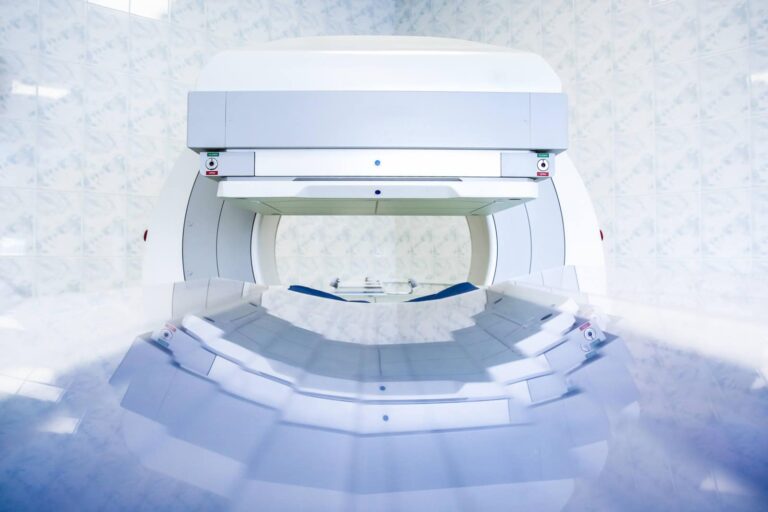
Our client was assisting the manufacturer of a kit used by hospital nuclear medicine departments to assist in the location of infection or inflammation in the limbs and backs of patients. We recruited 5 specialists and provided moderation for the interviews and prepared English transcripts.

Our client was working with a manufacturer of specialist nutrition products to help them develop marketing messages for dieticians and payers/commissioners working in oncology. We arranged an online focus group with oncology dieticians and a second group with payers/commissioners working in the National Health Service.

A company that develops medical devices wanted to speak to pathologists and interventional pulmonologists to understand how considered technologies, impact unmet needs for peripheral lung biopsies. We provided end-to-end project management, including the recruitment of 24 participants.

A Norwegian company who develops products for healthcare providers and hospitals reached out to us to recruit paramedics and anaesthesiologists in the UK and the USA for online video calls. The calls were designed to provide input to help the client with a new product design.

We carried out online IDIs with healthcare professionals and patients in Germany and the USA to explore the way self-injectable anti-obesity medication is packaged and how medication delivery can be made more user-friendly for both target groups.

Our client wanted to gain insights from parents of children aged 0 to 5 years, who were social media users and had to be members of parenting and/or health groups. We were asked to recruit respondents for a mix of in-home and in-facility sessions, each lasting 90 minutes, over two days in São Paulo, Brazil.