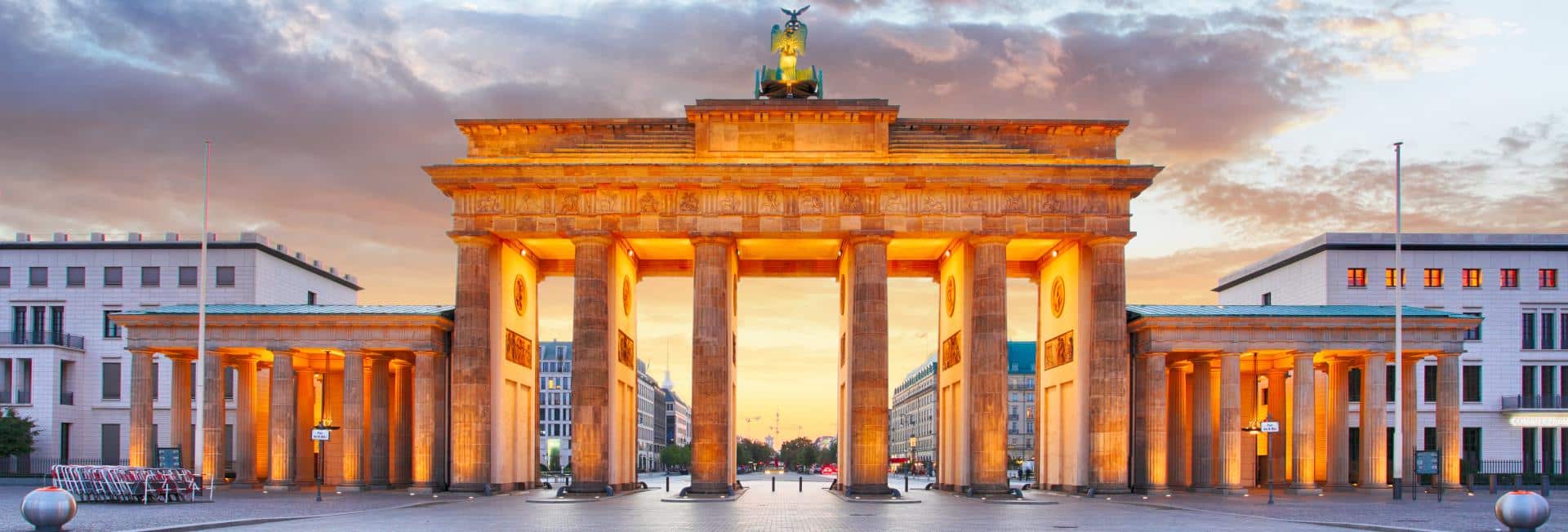
The most populous in Western Europe, Germany consequently sustains the largest economy. The country’s capital and largest city is Berlin, while its main financial centre is Frankfurt. The main centres for face-to-face research are Berlin, Hamburg, Frankfurt and Munich.
Around a quarter of the German population has at least one non-German parent. The largest non-German groups are people of Turkish, Polish, Russian or Syrian descent.
Germany’s small and medium-sized businesses are regarded as the backbone of its economy. Known as ‘Mittelstand’, they are celebrated for their innovation, quality and niche specialisms. Germany is a global major force in the industrial and scientific sectors and is recognised as the inventor of the printing press, the automobile, aspirin, X-rays and MP3s.
Germany is the world’s third-largest exporter and third-largest importer. The largest component of Germany’s GDP is services, at 63%. This includes a wide range of activities from financial services and telecommunications to tourism and hospitality, education, and retail and wholesale. A large section of Germany’s GDP is based around industries such as automotive (it is the home of Volkswagen/Audi, Mercedes Benz, BMW and Porsche), engineering (such as Siemens and Bosch), chemicals (notably BASF) and pharma (for example, Bayer and Merck).