Energy and utilities market research

Energy and utilities industry
2024 saw global energy demand grow by 2.2%, a huge jump from the 1.3% average increase between 2013 and 2023. The biggest impact on energy demand in the last 3-4 years has been the surge in demand for electricity for cooling needs, the electrification of vehicles and machinery that were once powered by internal combustion engines, and new data centres to support rapidly increasing demand for AI services. In 2024, over 80% of the increased demand for energy came from emerging economies, with this proportion expected to increase over the next 5-10 years.
The UK’s energy sector contributed around £258 billion to GDP in 2024, supporting almost 1.5 million jobs. The shift to renewables has been a major economic contributor within the UK energy sector since 2014, with extractive industries such as oil and gas experiencing a decrease of in contribution to GDP of £32 billion in 2023. Renewable energy sources (wind, solar, nuclear and hydro) now supply close to half of the UK’s electricity on an annual basis, and aroiudn two-thirds in some months.
Alongside research relating to the use of fossil fuels, FieldworkHub has supported a number of projects relating to energy conservation and renewables including rapid recruitment for an online bulletin board about renewable energy in the UK and Germany, interviews with UK consumers about smart home energy devices, and focus groups with UK homeowners and landlords about retrofitting homes to improve energy efficiency.
Trending market research areas in the energy industry
Oil and gas
Sustainability
Smart homes
Key audiences for energy market research
Energy industry executives
Sustainability professionals
Utility customers
Commercial energy buyers
Smart energy management users
Heat pump & solar panel installations
Ready to plan your next energy & utilities market research project?

What types of qualitative research does FieldworkHub conduct in the energy industry?

Energy and utilities focus groups
Focus groups bring together a small number of participants for a moderated discussion, either in person or online. They are particularly useful for exploring consumer attitudes, evaluating new concepts and understanding how people react to and build on one another’s ideas.

Energy and utilities in-depth interviews
In-depth interviews (IDIs) involve a one-to-one conversation between a researcher and a participant. They are well suited to exploring complex decisions, personal experiences and sensitive subjects, particularly in B2B research or when specialist knowledge is required.

Energy and utilities ethnographies
Ethnographic research involves observing people in their everyday environments, such as their homes, workplaces or shops. It is useful when researchers want to understand how products and services are used in practice, rather than relying solely on what participants say.

Energy and utilities online bulletin boards
Online bulletin boards (OBBs) allow participants to complete research tasks and respond to questions over several days, at times that suit them. They are useful for diary-style research, gathering detailed reflections and exploring topics that benefit from considered rather than immediate responses.

Energy and utilities online communities
Market research online communities (MROCs) bring participants together on a digital platform for ongoing research. Unlike shorter OBB studies, MROCs can cover multiple topics over weeks or months, making them useful for user engagement, innovation and tracking changing attitudes.

Energy and utilities UX testing
UX testing involves observing people as they use a website, app or digital product, often while completing specific tasks. It helps identify usability problems, understand why users encounter difficulties and evaluate prototypes or existing digital experiences.

Energy and utilities CX testing
Customer experience research examines how people interact with a brand, product or service across touchpoints. It can combine interviews, surveys, focus groups and other methods to understand satisfaction, identify frustrations and explore opportunities to improve the customer journey.

Energy and utilities video surveys
Video surveys ask participants to record short responses to research questions, usually using their smartphones. They can involve selfie videos, product demonstrations or narrated activities, making them useful when researchers want to capture reactions and experiences in participants’ own words.

Energy and utilities vox pops
Vox pops involve short video interviews that capture people’s immediate opinions and reactions, usually in public locations or remotely. They are particularly useful for gathering spontaneous feedback on familiar topics, products or brands and illustrating research findings with real voices.
What types of quantitative research does FieldworkHub conduct in the energy industry?

Energy and utilities online surveys
Online surveys allow respondents to complete structured questionnaires on their computers or mobile devices. They are often the most efficient option for reaching larger samples, testing preferences and measuring attitudes when respondents can be recruited and surveyed remotely.

Energy and utilities CATI
Computer-Assisted Telephone Interviewing (CATI) uses interviewers who follow a digital questionnaire and record responses during a telephone call. It is useful for reaching business professionals or other audiences who may be difficult to engage online, and for surveys with lots of open-ended questions.

Energy and utilities CAPI
Computer-Assisted Personal Interviewing (CAPI) involves an interviewer recording responses on a tablet or similar device during an in-person survey. It is useful for street intercepts, location-specific research and research where participants need to see or try a product before answering questions.
Case studies of energy & utilities research

Ethnographies: energy topics, Oman
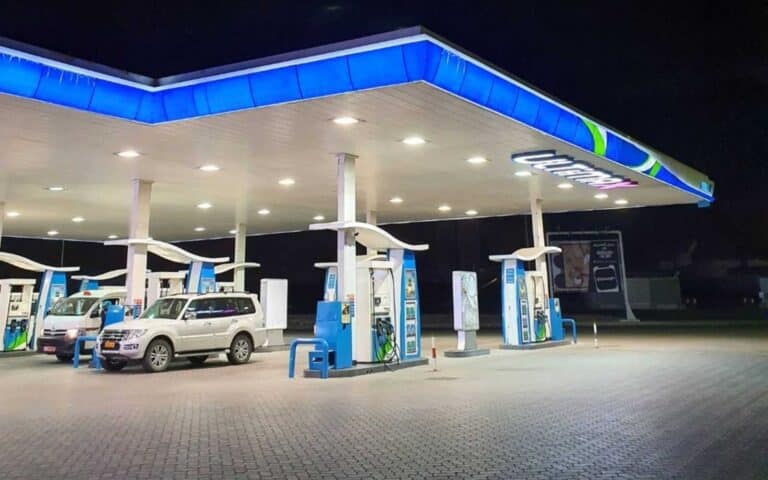
An Omani corporation wanted to carry out ethnographic research on energy topics with a diverse range of target groups, including petrol station customers, independent retailers, commercial fleet procurement and operations managers, and energy managers for large buildings. We recruited almost 50 respondents and provided on-the-ground support.

Ethnographies: home-owners on air conditioning, UK
We completed a full-service project for a Japanese manufacturer to understand more about the need for domestic air conditioning in and around London. We found participants for in-home immersion interviews to help the client explore the structural capacity of UK homes, price expectations and installation challenges.

F2F focus groups: energy opinion leaders, Saudi Arabia
A global energy leader who runs multiple rounds of in-person focus groups around the world each year tasked us with arranging research in Saudi Arabia. We were asked to find senior decision makers in Jeddah, Al-Khobar and Riyadh, all with an interest in, and working knowledge of, the energy industry in the country.

Focus groups: water provider message testing, UK
Our client, a well-known water supplier in the UK, asked us to support a study involving segments of their customer base who have not engaged with their outreach messages and campaigns in recent years. We carried out the recruitment and focus group scheduling for this project.

IDIs: self-employed gas and boiler engineers, UK
FieldworkHub recruited self-employed gas repair and boiler installation and servicing engineers in the UK so our client could discover how they price their services and what tools they currently use, and also test some concepts for an online pricing tool which they were developing.

OBB: energy consumption, UK, Germany
Our client wanted to conduct online bulletin boards on attitudes towards energy use and generating energy at home from renewable sources. We recruited all of the profiles over a holiday weekend and arranged for our client to conduct home ethnographic interviews with some UK and German participants.