Food brands
Trending brands among young consumers include those making plant-based and functional foods with added benefits like nootropics and adaptogens. There is a concentration amongst modern food brands on gut health, protein and energy foods.


The global food and drink market is an estimated $7-9 trillion in revenue, representing between 16-20% of global GDP. Food & drink accounts for around 90% of global sales of fast-moving consumer goods (with the other 10% consisting of non-food items such as personal care and cleaning products).
The largest markets are China and the USA, with India a distant third, although India is expected to see the highest growth of any major market, driven by rapid expansion of the middle classes. The top five food and drink markets in Europe are collectively worth around the same as the US market, which has a similar total population. Despite global growth, increased consumer awareness of health and environmental impacts, a trend for natural ingredients, and shifting regulations may pose some challenges for the industry’s manufacturers and retailers.
In the UK, food and drink is the largest segment of the manufacturing sector and supports nearly 500,000 jobs. Despite a big fall in exports to the EU since Brexit, driven by new regulatory costs, red tape, and paperwork, the overall level of exports has remained roughly the same as exports to non-EU countries have increased.
FieldworkHub regularly carries out market research projects in the food & drink sector, including in-home user tests, supervised taste tests at central locations, consumer shop-alongs, app usability tests and focus groups with purchasers of particular products.


Focus groups bring together a small number of participants for a moderated discussion, either in person or online. They are particularly useful for exploring consumer attitudes, evaluating new concepts and understanding how people react to and build on one another’s ideas.

In-depth interviews (IDIs) involve a one-to-one conversation between a researcher and a participant. They are well suited to exploring complex decisions, personal experiences and sensitive subjects, particularly in B2B research or when specialist knowledge is required.

Ethnographic research involves observing people in their everyday environments, such as their homes, workplaces or shops. It is useful when researchers want to understand how products and services are used in practice, rather than relying solely on what participants say.

Online bulletin boards (OBBs) allow participants to complete research tasks and respond to questions over several days, at times that suit them. They are useful for diary-style research, gathering detailed reflections and exploring topics that benefit from considered rather than immediate responses.

Market research online communities (MROCs) bring participants together on a digital platform for ongoing research and discussion. Unlike shorter bulletin board studies, communities can cover multiple topics over weeks or months, making them useful for customer engagement, innovation and tracking changing attitudes.

UX testing involves observing people as they use a website, app or digital product, often while completing specific tasks. It helps identify usability problems, understand why users encounter difficulties and evaluate prototypes or existing digital experiences.

Customer experience research examines how people interact with a brand, product or service across different touchpoints. It can combine interviews, surveys, focus groups and other methods to understand satisfaction, identify frustrations and explore opportunities to improve the customer journey.

Video surveys ask participants to record short responses to research questions, usually using their smartphones. They can involve selfie videos, product demonstrations or narrated activities, making them useful when researchers want to capture reactions and experiences in participants’ own words.

Vox pops involve short video interviews that capture people’s immediate opinions and reactions, usually in public locations or remotely. They are particularly useful for gathering spontaneous feedback on familiar topics, products or brands and illustrating research findings with real voices.

Online surveys allow respondents to complete structured questionnaires on their computers or mobile devices. They are often the most efficient option for reaching larger samples, testing preferences and measuring attitudes, particularly when respondents can be recruited and surveyed remotely.

Computer-Assisted Telephone Interviewing (CATI) uses interviewers who follow a digital questionnaire and record responses during a telephone call. It is useful for reaching business professionals or other audiences who may be difficult to engage online, and for questionnaires requiring more detailed verbal responses.

Computer-Assisted Personal Interviewing (CAPI) involves an interviewer recording responses on a tablet or similar device during an in-person survey. It is particularly useful for street intercepts, location-specific research and product testing where participants need to see or try something before answering questions.

Our client wanted to conduct 30-minute online interviews with South African consumers who purchase clear spirits to understand their brand preferences and views about the brands and test out some marketing concepts that they were developing. We recruited and screened over 20 respondents and arranged interviews with them for our client.
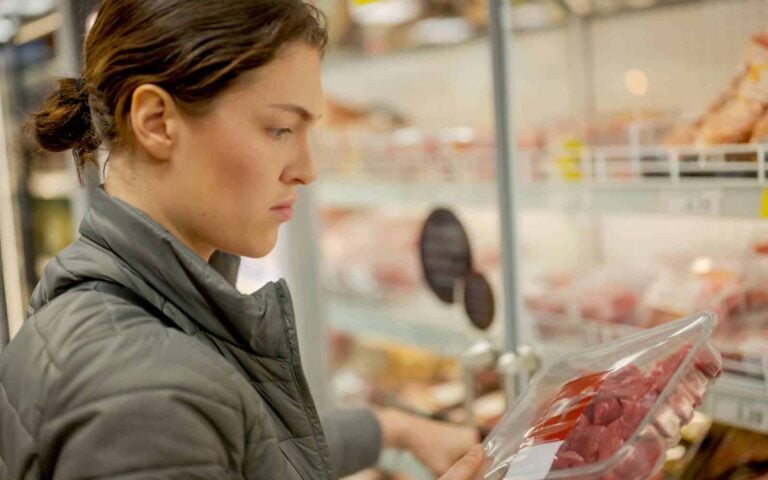
A Veterinary University in the UK asked us to recruit 36 respondents with differing diets to gain a better understanding on attitudes to meat consumption and the influences of public policy on their diets. We successfully recruited for six in-person focus groups about recent changes to public policy on poultry and farming conditions.

Our client wanted to conduct interviews with Turkish migrants in Germany who regularly purchase raki drinks to understand more about their brand and how widely recognised their brand name was. We provided project management of the fieldwork process, including finding and booking suitable facilities and recruitment.

We explored brand perception and attitudes in London and Nottingham for a well-known pub brand, gathering insights from existing and potential new customers in both urban and suburban areas through a series of in-person workshops and online depth interviews.

A well-known breakfast and snacks company asked FieldworkHub to assist with research into repositioning their brand from a fitness to a well-being brand. We recruited respondents in the UK for interviews and an online bulletin board; and successfully re-contacted eight respondents for a follow-up interviews.

We supported a well-known soft drinks brand by collecting vox pop recordings to explore squash (concentrated fruit drink) preferences and brand awareness in the UK, Ireland, Brazil, and France. The participants that we recruited included representatives of Gen Z, Gen Y (Millennials), Gen X and older demographics.