E-commerce
Convenience is always important, and subscription models and flexible payment options are making purchasing easier than ever. Social commerce is now mainstream, with integrated shopping featured on TikTok and Instagram feeds.


The retail industry is one of the key contributors to the global economy. The US market alone is worth almost $7 trillion, with global sales reaching approximately $31 trillion. While markets in Asia-Pacific, Africa and the Middle East are still experiencing significant growth in ‘brick-and-mortar’ retailing, the US and Europe are suffering from harsh market conditions which can be attributed in large part to the rise of online retailing.
Online retail sales are estimated to account for just over 20% of global retail sales in 2025. China leads in terms of total revenue from online sales, followed by the United States, but the UK has one of the highest proportions of online sales, which now account for around 30% of British retail sales. A string of recent business failures on both sides of the Atlantic, such as Saks Global, Eddy Bauer and Rite Aid in the USA, and Russell & Bromley, Claire’s Accessories and Homebase in the UK are evidence of the tight squeeze that traditional retailers are facing.
FieldworkHub has successfully completed many projects for both online retailers and brick-and-mortar stores, including in-person shop-alongs in the UK, Switzerland and the UAE, restaurant exit interviews in the USA and online focus groups and depth interviews exploring trends and consumer preferences with various segments of retail in many different countries.
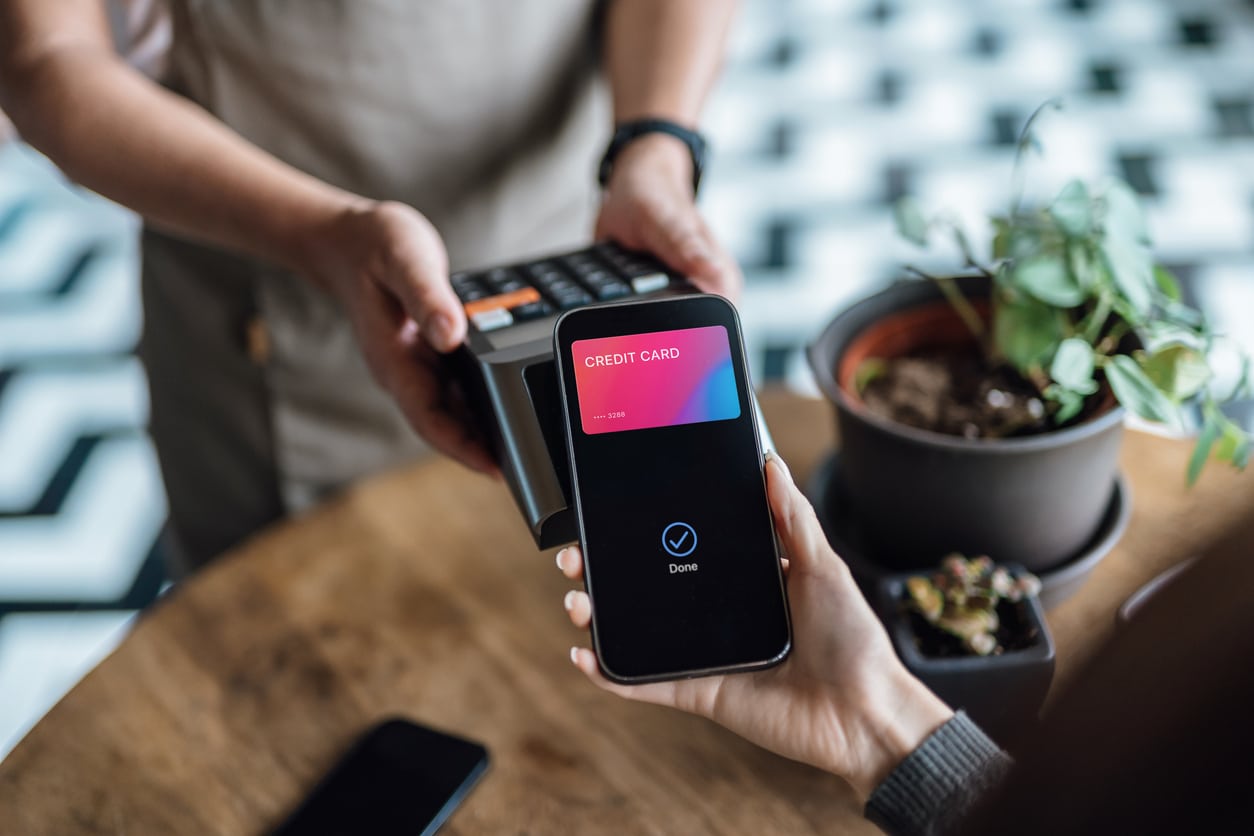

Focus groups bring together a small number of participants for a moderated discussion, either in person or online. They are particularly useful for exploring consumer attitudes, evaluating new concepts and understanding how people react to and build on one another’s ideas.

In-depth interviews (IDIs) involve a one-to-one conversation between a researcher and a participant. They are well suited to exploring complex decisions, personal experiences and sensitive subjects, particularly in B2B research or when specialist knowledge is required.

Ethnographic research involves observing people in their everyday environments, such as their homes, workplaces or shops. It is useful when researchers want to understand how products and services are used in practice, rather than relying solely on what participants say.

Online bulletin boards (OBBs) allow participants to complete research tasks and respond to questions over several days, at times that suit them. They are useful for diary-style research, gathering detailed reflections and exploring topics that benefit from considered rather than immediate responses.

Market research online communities (MROCs) bring participants together on a digital platform for ongoing research. Unlike shorter OBB studies, MROCs can cover multiple topics over weeks or months, making them useful for user engagement, innovation and tracking changing attitudes.

UX testing involves observing people as they use a website, app or digital product, often while completing specific tasks. It helps identify usability problems, understand why users encounter difficulties and evaluate prototypes or existing digital experiences.

Customer experience research examines how people interact with a brand, product or service across touchpoints. It can combine interviews, surveys, focus groups and other methods to understand satisfaction, identify frustrations and explore opportunities to improve the customer journey.

Video surveys ask participants to record short responses to research questions, usually using their smartphones. They can involve selfie videos, product demonstrations or narrated activities, making them useful when researchers want to capture reactions and experiences in participants’ own words.

Vox pops involve short video interviews that capture people’s immediate opinions and reactions, usually in public locations or remotely. They are particularly useful for gathering spontaneous feedback on familiar topics, products or brands and illustrating research findings with real voices.

Online surveys allow respondents to complete structured questionnaires on their computers or mobile devices. They are often the most efficient option for reaching larger samples, testing preferences and measuring attitudes when respondents can be recruited and surveyed remotely.

Computer-Assisted Telephone Interviewing (CATI) uses interviewers who follow a digital questionnaire and record responses during a telephone call. It is useful for reaching business professionals or other audiences who may be difficult to engage online, and for surveys with lots of open-ended questions.

Computer-Assisted Personal Interviewing (CAPI) involves an interviewer recording responses on a tablet or similar device during an in-person survey. It is useful for street intercepts, location-specific research and research where participants need to see or try a product before answering questions.
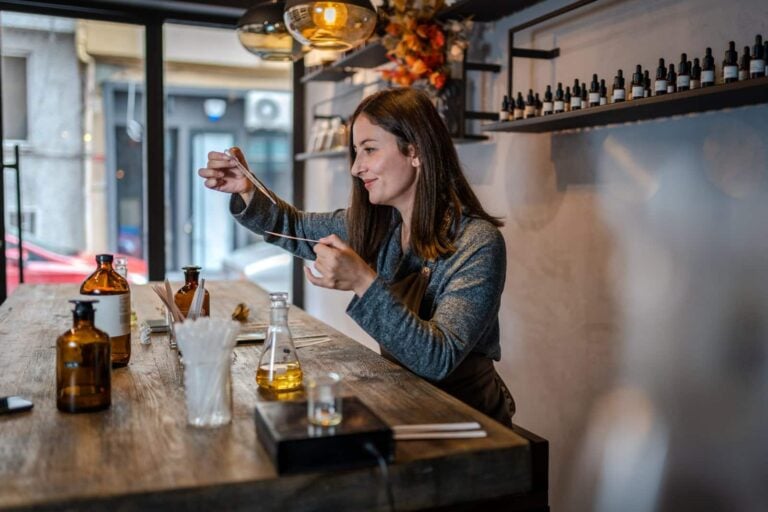
FieldworkHub was asked to recruit a small number of profiles for B2B market research in France. We were asked to recruit people who worked for companies that purchase fragrance ingredients in bulk and were involved in briefing fragrance houses or manufacturers on how they want their products to smell.
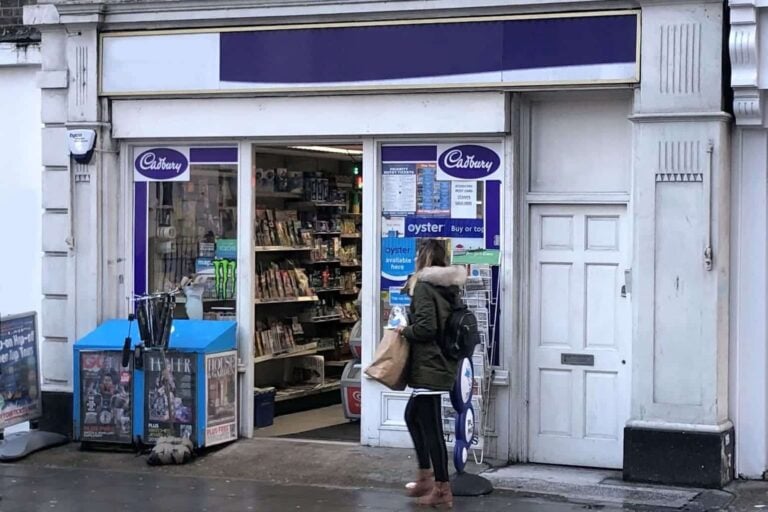
A management consultancy wanted to talk to shopkeepers in London who sell SIMs and top-ups for a mobile virtual network operator. We conducted face-to-face interviews with owners and managers and arranged two focus groups so our client could obtain views on the brand’s positioning relative to other mobile operators.

FieldworkHub was asked to arrange focus groups with parents of children aged 2-6 in the UK, France and Germany to help them decide whether to invest in a company that made talking toys. The aim of the research was to find out about the parents’ toy purchasing behaviour and preferences.

A major skin and beauty brand retailer was looking at relaunching one of its product lines and wanted some feedback from current and potential customers. FieldworkHub arranged targeted focus groups in each market. In total, 36 respondents were recruited in under two weeks and all of the focus groups ran successfully.

A leading retail landlord in the UK, was developing a new pop-up concept to encourage companies to experiment with temporary retail stores in the wake of the coronavirus pandemic. We arranged for direct-to-consumer retailers and traditional retailers to take part in online interviews over the course of two weeks.

We explored the preferences and shopping habits of food and non-food department store shoppers in Switzerland by recruiting participants aged 25-55 living in different types of household in Basel and Geneva to take part in 90-minute online in-depth interviews and shop-alongs.