It has been a pleasure working with the FieldworkHub team on a targeted qualitative request. The team overdelivered with the excellent project management, quality respondents and ahead of schedule! 😊
AS
Vice President
Global Advisory Firm
UAE

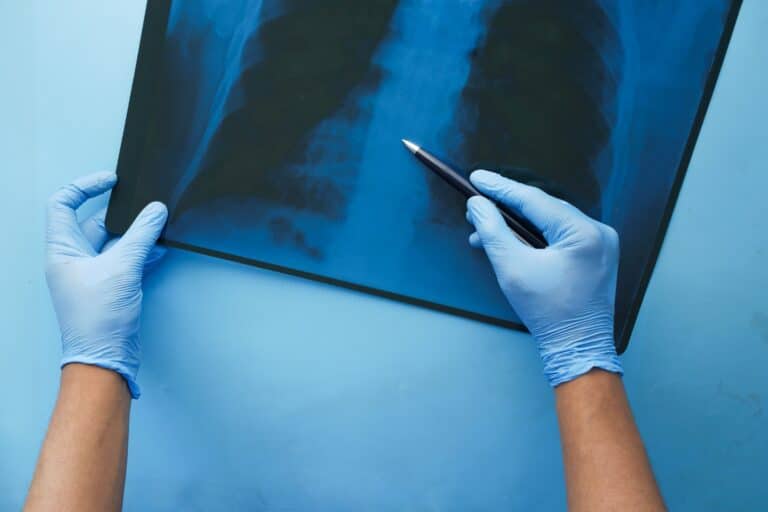
Our client, a consultant specialising in technology and healthcare strategy, reached out to us for help in arranging a new project which followed on from some previous successful work with FieldworkHub. They were wanting to explore the impact that bronchiectasis has on the lives of patients who suffer from this rare disease, and hoped to gather a broad range of perspectives from across the globe. Patient insight is among the most rewarding types of research that we do at FieldworkHub, and we were proud to support such an impactful study.
The client asked us to run an online quantitative survey in Australia, Germany, Bulgaria, and the United States and in-depth qualitative interviews in the UK, India, Argentina and Japan. All participants were required to have a diagnosis of non-cystic fibrosis bronchiectasis and a history of bronchiectasis exacerbations.
We took on a number of recruitment quotas on a ‘best efforts’ basis, with the targets including of a mix of genders, some who had been part of a clinical trial, people living in rural areas as well as urban areas, and some who were active in patient advocacy groups . ‘Best efforts’ means that while we will try our hardest to recruit as many participants who fit the criteria as possible, we recognise that it is a challenging request and may not be able to satisfy all of the quotas simultaneously.
The FieldworkHub team successfully recruited bronchiectasis patients in all markets for both the qualitative aspect of the research and the quantitative element, but not without some challenges. One of the more difficult aspects of recruiting participants with rare diseases is verifying the patient’s diagnosis. In Japan for example, there is currently no ‘official’ diagnosis of bronchiectasis and no approved treatment programs. Verifying that participants in Japan suffered from suspected bronchiectasis therefore involved checking that their symptoms (as described in a doctor’s note) and scans of the patient’s lungs were in line with those from patients with a similar diagnosis in other global markets.
It was also very important to verify that all participants were not confusing their diagnosis with the much more common condition of bronchitis. We also managed to include participants who had been part of a clinical trial or were members of local patient advocacy groups. This formed an essential input to our client’s analysis in finding suitable ways to support patients who were living with a rare diagnosis, and how to engage with them across different cultural norms and attitudes.
Lastly, we managed to recruit patients to fit the urban and rural quotas. This allowed our client to gain important insight into how environmental factors can affect different patients (such as environmental pollution in urban areas, and dust exposure in dry rural climates). Our client expressed how pleased they were to receive such revealing insights into the different experiences that patients can have across the globe, especially considering the differing advice about managing their condition that patients expressed receiving through both formal and informal sources.
It has been a pleasure working with the FieldworkHub team on a targeted qualitative request. The team overdelivered with the excellent project management, quality respondents and ahead of schedule! 😊
Everything went really well! Thank you so much for all your effort and patience — you did a fantastic job. We’ll definitely stay in touch for future projects.